
Communities helping nature recover
Explore how communities across Somerset are helping nature recover through habitat creation, wildlife projects and local action
Help nature recover in your community
Communities across Somerset are taking simple actions to support wildlife and improve local green spaces. Explore a real-life community project, learn about the benefits of local action, and find practical advice to help nature recover in your area.
How Enmore and Goathurst are helping nature recover
Achievable, timely, and impactful local action – Wilder Enmore and Goathurst shows how nature recovery can become part of everyday community life.
Wilder Enmore and Goathurst is a community-led nature recovery project run by the parish councils of Enmore and Goathurst. Inspired by the way nature flourished during the lockdown period, the project shows how local communities can take practical action to support wildlife and improve natural spaces.
In September 2025, the project became the first recipient in Somerset of the Somerset Wildlife Trust Wilder Community Award. Its success demonstrates how nature recovery can become part of everyday community life through achievable actions, local partnerships and community involvement.
Looking at the bigger picture
The partnership between Enmore and Goathurst shows how local communities can support nature recovery. By linking larger projects, community-led action can help build a stronger and more resilient Nature Recovery Network across Somerset.
Local projects give communities clear and realistic goals that reflect the needs of their area. When many communities take similar action, their efforts create wider benefits across the landscape.
This work helps connect habitats and strengthen Somerset’s Nature Recovery Network. It also builds community spirit by bringing people together around a shared goal of nature recovery.
What does ‘wilder’ mean?
The term ‘wilder’ was chosen with care. It describes a planned and managed approach to improving wildlife habitats and creating connected green corridors that support biodiversity.
To support this work, around 10 residents formed a group to champion local action. The group used village WhatsApp and Facebook groups to share updates, provide information and coordinate activities.
Areas of focus for Enmore and Goathurst

About the Churchyard activities
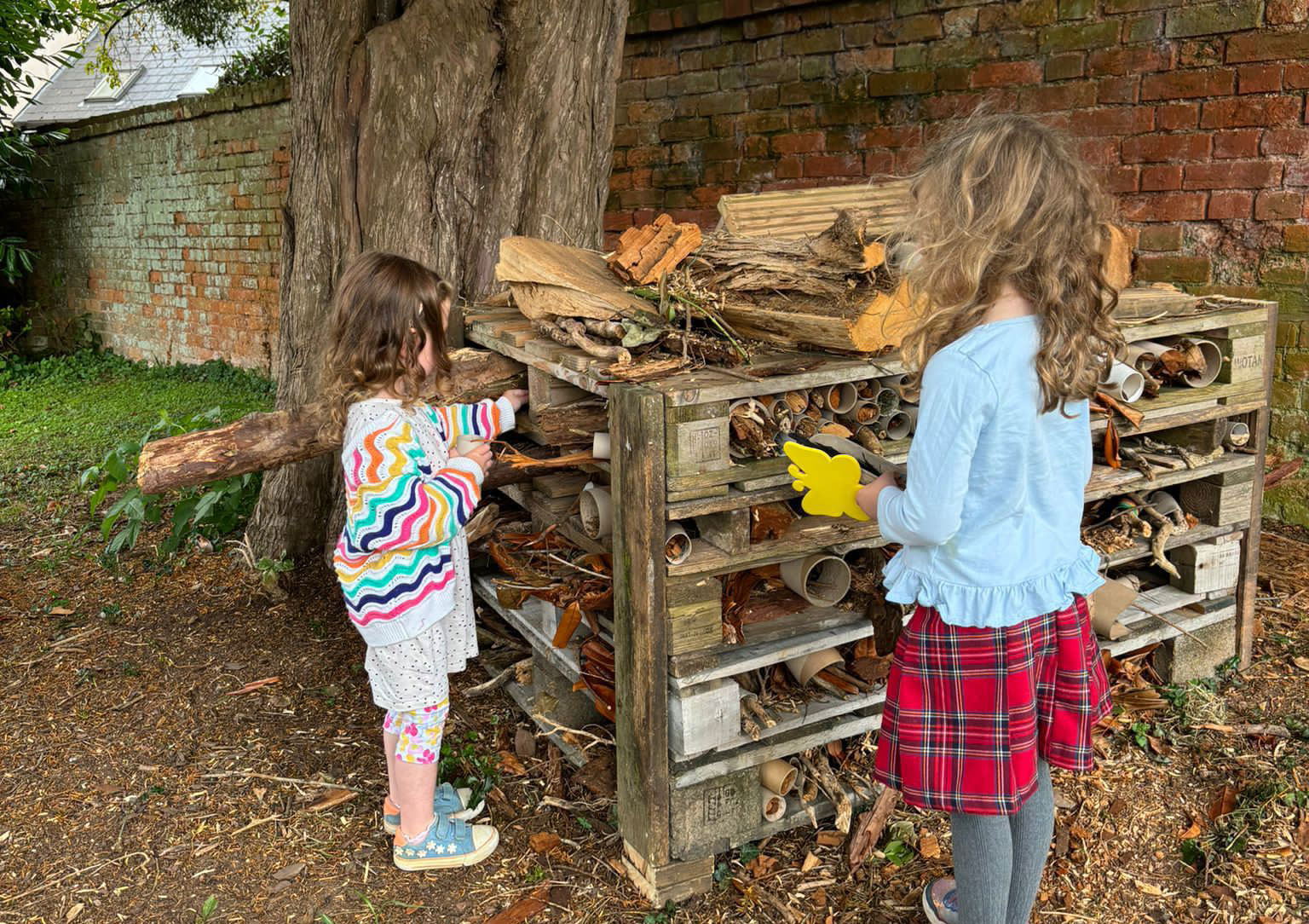
- Enmore Primary School held ‘wilder’ activity sessions at the churchyard, pupils built bug hotels and amphibian rock piles and took part in iNaturalist training sessions.
- A £500 magic grant was used to instal wildlife habitat boxes, plant wildflower bulbs and purchase two benches.
- iNaturalist training and bat monitoring evenings were hosted in the church.
- A wildlife heritage trail was created for locals and visitors.
- Achieved Somerset Wildlife Trust’s Wilder Churches Award.
Wilder Goathurst
Wilder Goathurst achieved the Wilder Churchyard Award by carrying out a range of actions, including:
- Securing funding from the Quantocks Landscape Partnership scheme to restore the Willis monument
- Creating bug hotels and an Easter garden with local children
- Planting donated memorial trees and buddleia
- Creating a wilder habitat strip
- Village litter picks
In February 2026, Wilder Goathurst achieved Somerset Wildlife Trusts’ Wilder Community Award.
Visit the Wilder Enmore and Goathurst websiteAbout the Jubilee Meadow activities
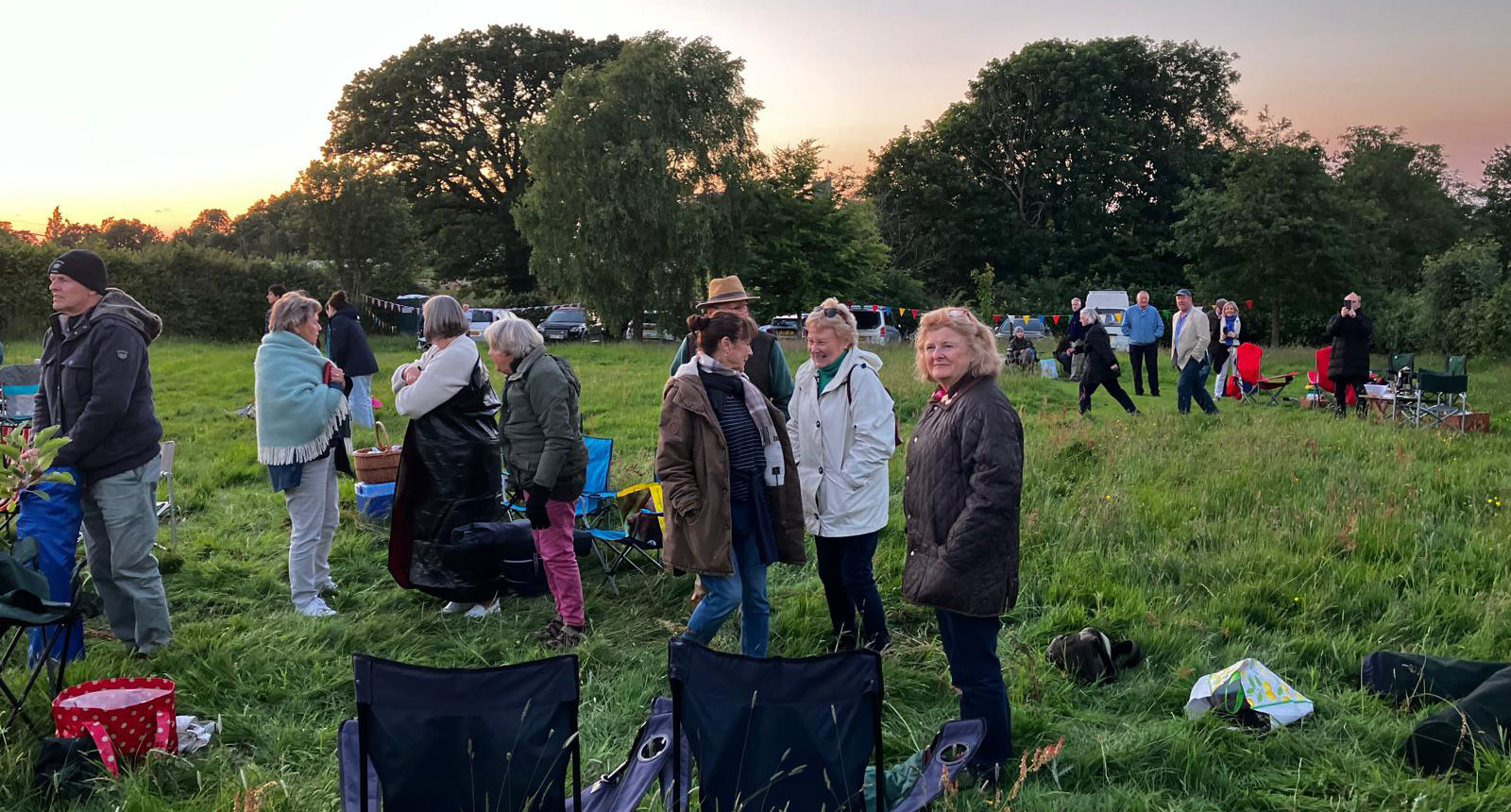
Secured a 75% grant from the Greater Quantock Landscape Development Fund to:
- Plant an orchard with dedication tags.
- Create a wildflower meadow.
- Build a spring fed water trough and sink the old water trough as a small wildlife pond.
- Build a seating area, install benches, and build a bike rack.
- Install a new Jubilee Meadow sign for the village green space.
About the hedges and verge activities
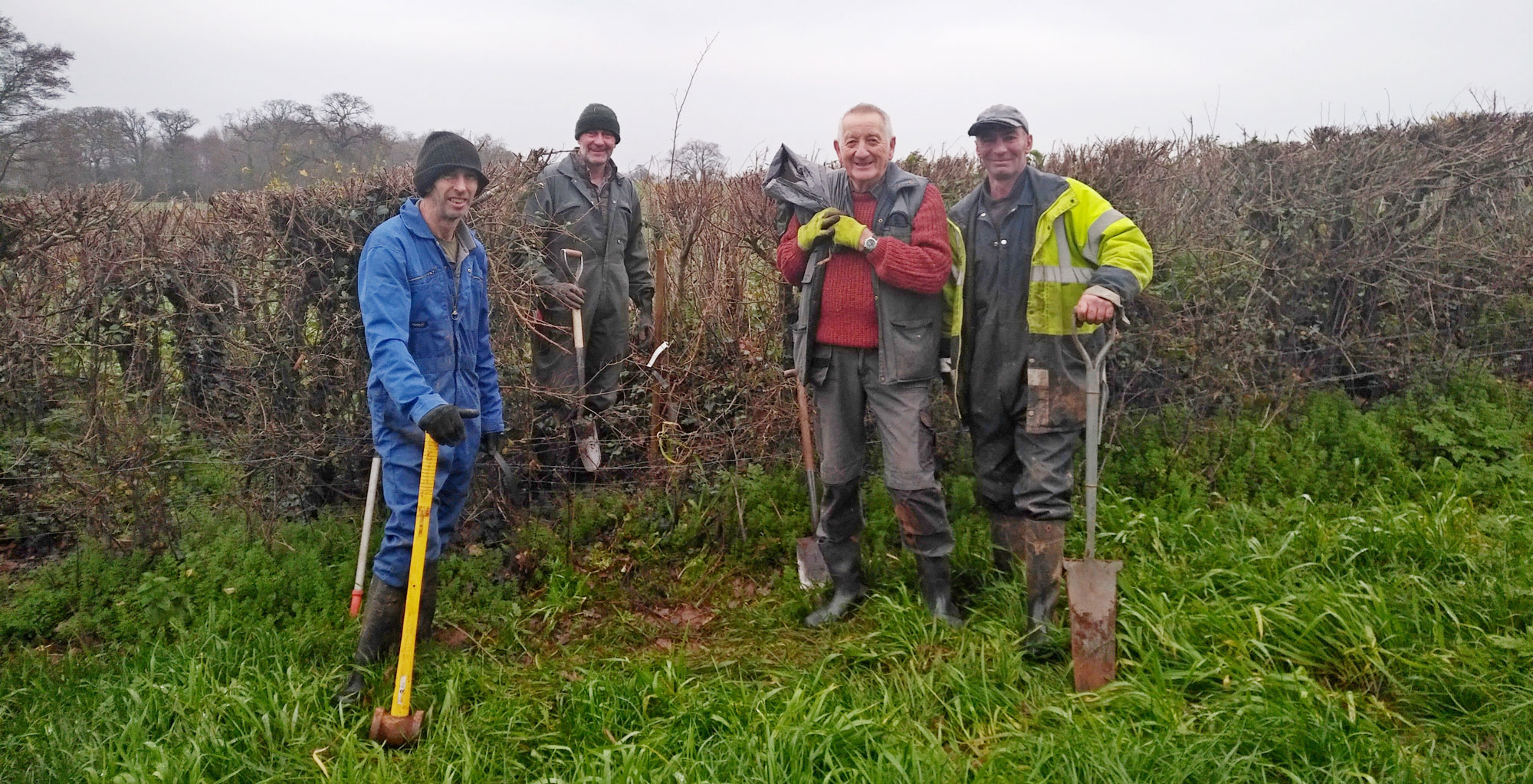
Hedges and verges
- The Somerset farmland survey showed that 90% of wildlife is found in hedges which only cover 10% of the land.
- Wilder Enmore approached a local farm, who does local hedge cutting commercially, to become a test case.
- Positive feedback from the farmer as little time was involved, and the test case was free.
- The Quantock Landscape Partnership Scheme team did a hedge survey on the farm.
- They worked with the farmer to secure two grants from the Woodland Trust to plant 130m of hedge and for infill to other hedges. This involved the Friends of the Quantocks hairstreak butterfly planting scheme.
- The Friends of the Quantocks have done another hedge and tree land survey with recommendations for another farmer.
Top tips for starting your own community nature project

Engage your local town or parish council
They are ideally placed to form a steering group and kick-start a wilder initiative.

Set up community communication channels
For example WhatsApp or Facebook groups.

Engage with stakeholders
For example the parochial church council, schools, residents, farmers, landowners and other local community groups.

Identify funding opportunities
Create plans for each area that consider your funding opportunities.

Identify no more than five areas of focus
Aim to keep each plan up to date with your current objectives.

Engage the local community in implementation
Litter picks can be used as a good starting project.

Apply for recognition
Celebrate success by applying for Somerset Wildlife Trust Wilder Awards. This can strengthen community spirit.

Encourage work with neighbouring communities
So each area can add its piece to Somerset’s growing green jigsaw, helping to create a connected network for nature.
If you build it, nature will come
By creating the right habitats and connections, wildlife can return, thrive and spread across the landscape.
Related case studies
Community in Action: Wootton Courtenay - Citizen Science Project
The Wootton Courtenay community is an incredible example of a citizen science project in Somerset.
The community came together to carry out a year-long biodiversity survey, creating a baseline record of local wildlife.
Shaped by local volunteers, this project brought the whole community together to record nature in their village.
The project includes an index of species recorded, their conservation status, actions to help improve their status and methods for the community to get involved in specific nature recovery projects.
You can find more information on our Somerset Local Nature Recovery Strategy page.
Step 1 – Engage the community
- Volunteers of all ages took part
- Open and inclusive participation
- Built shared ownership of the project
Step 2 – Design simple surveys
- Paper based spotter sheets were used
- Accessible to all skill levels
- Covered birds, plants, fungi and more
Step 3 – combine digital tools
- Observations uploaded to iNaturalist
- Helped verify species
- Contributed to national datasets
Step 4 – Collect data over time
- Year-long survey
- Captured seasonal variation
- Built a strong baseline dataset
Step 5 – Share and act on findings
- Results compiled and published
- Used to inform local action
- Contributes to wider nature recovery
efforts
What made it a success
- Strong community engagement
- Combination of low tech and digital tools
- Clear purpose
- Inclusive approach
You can read the full Wootton Courtenay Biodiversity Survey 2024 to 2025 on the Somerset Eel Recovery Project website.
Wild About Frome – Frome Town Council
Frome Town Council supports a diverse range of nature-positive initiatives across the town, setting an example for urban communities across Somerset.
Frome Town Council Rangers
The Frome Town Council Rangers play a vital role in enhancing and protecting local biodiversity through the hands-on management of green spaces, habitat creation, and practical support for community-led conservation projects.
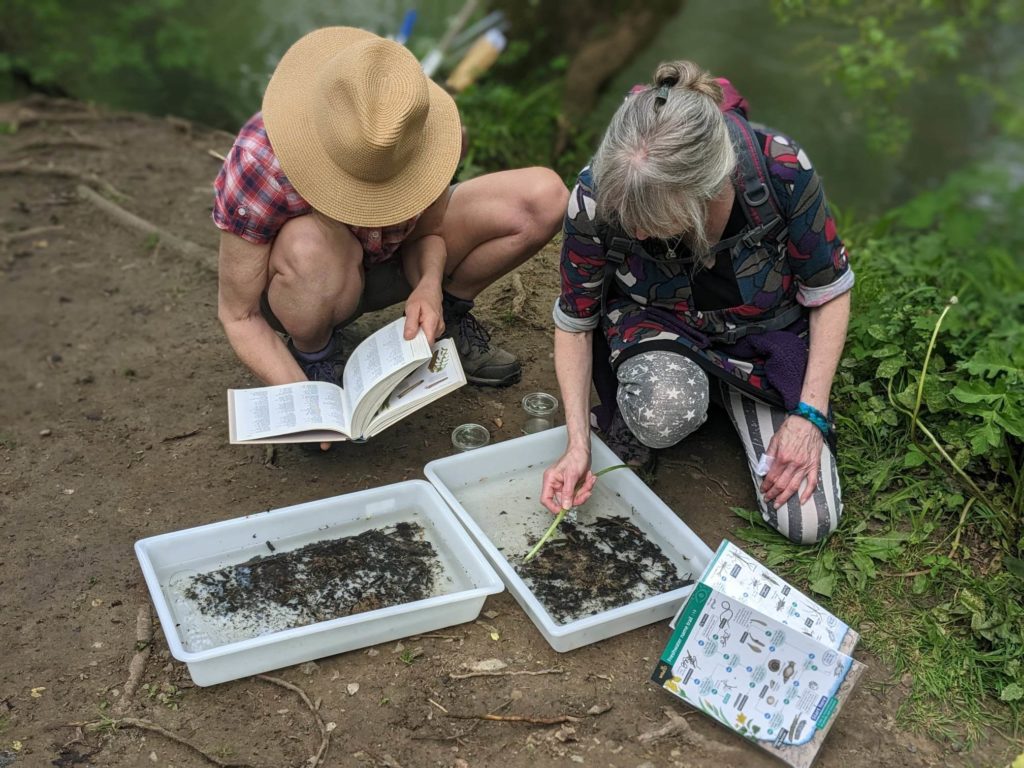
Their work focuses on delivering biodiversity-friendly maintenance and enhancement of Town Council-owned land, supporting and engaging with local environmental initiatives, and monitoring both river water quality in the River Frome and species populations across council-managed sites.
Frome Wild Bunch
Frome Wild Bunch is a friendly group for anyone interested in gardening for wildlife in Frome. The group celebrates Frome’s gardens and shared green spaces as interconnected parts of a much larger wild network.
With the support of Frome Town Council, Frome Wild Bunch promotes wildlife-friendly gardening and encourages neighbourhoods to join in by hosting DIY teaching events, seasonal wildlife walks, monthly gatherings and more!
Frome Community Wildlife Mapping
Frome residents have submitted over 8,000 observations of local wildlife to Frome’s iNaturalist page, either via the easy-to-use free mobile phone app, directly through the iNaturalist platform, or by reporting observations to the Wild About Frome team. This is providing a local baseline of biodiversity in Frome’s parks, green spaces and private gardens.
For thorough guidance, including a demonstrative video, on how to use iNaturalist and how to submit your observations, visit the Wild About Frome website.
Wild About Trees
Wild About Trees is a community-led tree planting initiative aiming to plant as many trees as residents – that’s 27,000 trees!
In November 2021, 150 residents came together to plant Frome’s first Tiny Forest in partnership with Earthwatch. Covering the size of a tennis court, the Tiny Forest contains 600 native trees and plants. It also incorporates two outdoor classroom spaces, providing opportunities for children to experience biodiversity first-hand.
Additionally, heritage oaks from Selwood Forest and Tolpuddle Sycamore have been planted in Rodden Meadow and Old Showfield, connecting Frome to its natural and cultural heritage.
Frome: A Pesticide-Free Town
In 2016, Frome Town Council replaced glyphosate-based weed control with alternative methods such as hand-weeding, hot foam treatments and mulching. In 2024, the council further enhanced its approach by purchasing a compact road sweeper with weed-removal capabilities. Although these management techniques are more labour-intensive and potentially more costly, discussions with the local community concluded they were outweighed by the potential health risks and biodiversity impacts associated with glyphosate use.
Community-led initiatives have also supported this transition. The Frome Hoedown group was established to manually remove weeds across the town, helping to maintain weed control without the use of herbicides on Somerset Council-owned land.
The Pocket Meadows Project
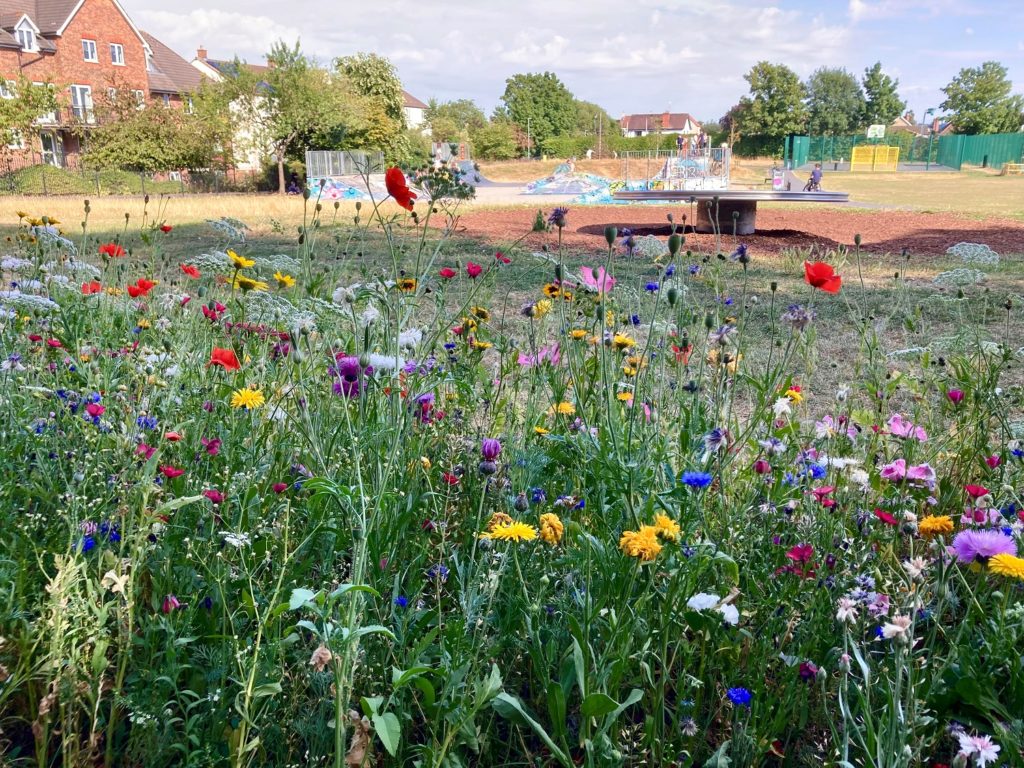
The Pocket Meadows Project aims to transform small areas across Frome into vibrant wildflower meadows that support bees, butterflies and other pollinators. The project focuses on providing residents with seeds, guidance and support to create and manage their own mini meadows.
As part of this initiative, Frome Town Council established Spring Pollination Stations during October and November with the help of 360 school children and 40 volunteers. A total of 10,000 bulbs were planted across nine sites, including 7,000 Tête-à-Tête daffodils and 3,000 native Tenby daffodils. Following the success of the project, the bulb planting programme is now set to become an annual event.
Due to initiatives such as Pocket Meadows and Frome’s no-pesticide policy, Frome has been recognised as a ‘Bee Friendly Town’ by the Bee Friendly Trust.
Frome Big Bat Count
Frome’s Big Bat Count is a community-led initiative aimed at monitoring local bat populations while engaging the community in local nature conservation efforts.
The Big Bat Count is held twice a year, once in late spring (May) and again in late summer (August) during periods of peak bat activity. Volunteers of all ages and experience levels attend a short training session to learn how to use bat detection equipment before being deployed across Frome to record bat calls. These recordings are uploaded to iNaturalist and shared with national and local databases, including the National Bat Monitoring Programme, helping to build a better understanding of local bat populations and their conservation needs. The record number of bat sightings was 169 during the August 2024 count.
You can find more information and get involved by visiting the Somerset Bat Group website.