
Community energy projects in Somerset
Community energy projects are run by or for local communities. They can help communities generate renewable energy, reduce energy use and keep more of the benefits locally.
These case studies show what community groups in Somerset have achieved and what they learned. Use them to get ideas for your own community energy project.
Avalon Community Energy (ACE)
Organisation: Avalon Community Energy (ACE)
Founded: 2013
Structure: Community Benefit Society and community-owned social enterprise operating renewable energy installations across mid-Somerset. Avalon Community Energy (ACE) develops solar generation projects that provide clean energy, deliver returns to investors and generate funding for local carbon reduction and community benefit initiatives.
Avalon Community Energy overview
ACE uses surplus income from its renewable energy projects to support its Community Benefit Fund, helping local residents improve energy efficiency and reduce fuel poverty.
Case Study 1: Brookside Academy Solar PV
Brookside Academy Solar PV project overview
Brookside Academy in Street hosts two large rooftop solar PV arrays installed through Avalon Community Energy. The project provides renewable electricity to the school while creating income for community benefit activities and educational opportunities for pupils.
Key details
- Technology: Roof-mounted Solar PV
- Host Site: Brookside Academy, Street
- Ownership Model: Community-owned
- Organisation: Avalon Community Energy
- Community Benefit: Discounted electricity and carbon savings
Community benefits
- Reduced energy costs for the school
- Supports educational engagement around renewable energy
- Surplus income contributes to local community programmes
Generation data
The project contributes to ACE’s portfolio generation of approximately 350 MWh annually.
Case Study 2: Hugh Sexey Church of England Middle School, Wedmore
Project overview
ACE installed an 88-panel solar PV system at Hugh Sexey School to reduce carbon emissions and lower energy costs. The project forms part of ACE’s wider programme of supporting educational establishments through community-owned renewable energy.
Key details
- Technology: Roof-mounted Solar PV
- Host Site: Hugh Sexey School, Wedmore
- Panels Installed: 88 Solar Panels
- Organisation: Avalon Community Energy
- Status: Operational
Renewable energy generation
- Carbon Saving: 14 tonnes CO₂/year
- Equivalent Trees Planted: Approximately 560 trees
The installation is expected to save approximately 14 tonnes of carbon emissions annually, equivalent to planting around 560 trees.
Community benefits
- Reduced school electricity costs
- Educational opportunities relating to renewable energy
- Community ownership of clean energy infrastructure
Case Study 3: Evercreech Junction Solar PV
Project overview
ACE installed a commercial-scale roof-mounted solar PV system at Evercreech Junction. The host business benefits from locally generated renewable electricity while supporting community energy development in Somerset.
Key details
- Technology: Roof-mounted Solar PV
- Host Site: Evercreech Junction
- Ownership Model: Community-owned
- Status: Operational
Renewable energy generation
- Annual Generation: Over 20,000 kWh/year
The installation generates more than 20,000 kWh of electricity annually.
Community benefits
- Free installation through community investment
- Reduced electricity costs for the host organisation
- Revenue generation for ACE’s community benefit activities
Case Study 4: St Dunstan’s School, Glastonbury
Project overview
St Dunstan’s School forms part of ACE’s Glastonbury Clean Energy Project. The installation supports local renewable generation while helping the school reduce operating costs and carbon emissions.
Key details
- Technology: Roof-mounted Solar PV
- Host Site: St Dunstan’s School
- Programme: Glastonbury Clean Energy Project
- Status: Operational
Community benefits
- Lower energy costs for the school.
- Local renewable energy generation supporting Somerset’s net zero ambitions.
- Generates surplus funding for community projects.
Case Study 5: Brunelcare Glastonbury Solar PV
Project overview
Brunelcare Glastonbury received rooftop solar panels through the Glastonbury Clean Energy Project to reduce energy usage and support the transition to low-carbon energy.
Key Details
- Technology: Roof-mounted Solar PV
- Host Site: Brunelcare, Glastonbury
- Programme: Glastonbury Clean Energy Project
- Status: Operational
Renewable energy generation
Together, the St Dunstan’s School and Brunelcare installations are expecting:
- Annual Carbon Savings: Over 40 tonnes CO₂/year
- Community Benefit Potential: Up to £250,000 surplus funding
Community benefits
- Reduced electricity expenditure
- Significant carbon savings
- Potential generation of up to £250,000 for community benefit activities over the project lifetime
Community benefit fund
A key feature of Avalon Community Energy’s approach is reinvesting project surpluses into local benefit programmes.
Fund objectives
- Address fuel poverty
- Improve living conditions in poorly insulated homes
- Support energy efficiency improvements
- Deliver community carbon reduction projects
Examples of support have included funding practical measures such as carpets, curtains and other energy-saving improvements for local residents.
Portfolio Summary
- Operating Since: 2013
- Main Technology: Rooftop Solar PV
- Current Sites: Brookside Academy, Hugh Sexey School, Evercreech Junction, St Dunstan’s School, Brunelcare Glastonbury
- Annual Portfolio Generation: Approximately 350 MWh
- Annual Carbon Savings: Approximately 70 tonnes CO₂
- Community Ownership Model: Community Benefit Society
Demonstrated outcomes
- Community-owned renewable energy generation
- Approximately 350 MWh of clean electricity generated annually
- Approximately 70 tonnes of CO₂ savings each year
- Direct financial benefits for schools, care facilities and community organisations
- Community benefit funding targeted at fuel poverty and energy efficiency
- Contribution to Somerset’s climate and net zero ambitions
Bath and West Community Energy (BWCE) – Somerset Installations
Organisation: Bath and West Community Energy (BWCE)
Founded: 2010
Structure: Community Benefit Society and not-for-profit community energy business that develops, owns and operates renewable energy projects. Surplus income is reinvested into community projects tackling carbon emissions and fuel poverty.
Bath and West Community Energy overview
Bath and West Community Energy (BWCE) is one of the UK’s leading community energy organisations. Through community investment, BWCE develops renewable energy projects and uses surplus income to support local climate action and fuel poverty programmes. Since 2010, BWCE has raised £14.7 million through community share and bond offers.
BWCE operates:
- 39 rooftop solar PV systems
- 6 ground-mounted solar farms
- 1 hydro scheme
With total renewable generation capacity of over 16.5 MW, generating enough electricity to match the annual demand of around 6,000 homes.
In Somerset, BWCE has partnered with local community energy organisations including FRECo and South Somerset Community Energy to develop community-owned solar projects.
Somerset Portfolio Summary
Somerset Installations
BWCE has supported and developed renewable energy projects at a range of Somerset sites including:
- Stowey Farm: Ground-mounted Solar
- Crewkerne Solar Farm: Ground-mounted Solar
- Various partner projects with Somerset community energy groups: Solar PV
Case Study 1: Solar Farm, Crewkerne
Project overview
Crewkerne Solar Farm is BWCE newest large-scale Somerset solar project. Located near Crewkerne, the project has been developed as a community-owned solar farm designed to generate renewable electricity while delivering long-term community benefit funding.
Key project details
- Technology Type: Ground-mounted Solar PV
- Capacity: 5 MW
- Location: Crewkerne
- Ownership Model: Community-owned
- Funding Model: Community Bond Offer
- Bond Funding Raised: £1 million
Renewable energy generation
- Installed Capacity: 5 MW
- Homes Equivalent: Approximately 800 homes
- Project Lifetime: 30 years
Community benefits
- Expected Community Benefit: £750,000
Ring-fenced Community Fund: £220,000
Additional benefits
- Local electricity supply model through Energy Local Club
- Biodiversity enhancements including wildflower meadow creation and orchard planting
- Community ownership and democratic governance
Benefits delivered
- Reduced electricity bills
- On-site renewable generation.
- Educational opportunities for pupils
- Long-term carbon savings
- Community ownership of renewable energy infrastructure
Recent deployment
BWCE reported:
- 2022/23: 780 kW across 7 schools
- 2023/24: 920 kW across 7 schools and a leisure centre
- 2024/25: 370 kW across 4 schools and a leisure centre
Renewable Energy Performance
Portfolio generation
BWCE renewable energy portfolio has grown significantly in recent years.
Metric and value (2024/25)
- Installed Capacity: 14.61 MW
- Homes Equivalent: 5,000 homes
- Annual Performance: 5.4% below forecast due to reduced sunshine
- New Solar Installed: 370 kW
Current portfolio capacity is now reported at approximately 16.54 MW, enough to match electricity demand from around 6,000 homes.
Community Benefit Programme
A defining feature of BWCE is the reinvestment of surplus income into local projects addressing climate change and fuel poverty.
Impact delivered
- Community Organisations Supported Since 2015: 64
- Total Community Funding Distributed: £430,000
- Additional Funding Added in 2024/25: £40,500
Areas supported
- Fuel poverty reduction
- Community climate action
- Community energy projects
- Energy efficiency improvements
- Local environmental initiatives
Community Energy Partnerships in Somerset
BWCE actively supports and partners with community energy organisations across Somerset, including:
- Frome Renewable Energy Community (FRECo)
- South Somerset Community Energy Society (SSCES)
- Other emerging community energy initiatives
These partnerships enable smaller local organisations to access technical, financial and project development expertise while retaining local ownership and governance.
BWCE Portfolio Summary
- Organisation Founded: 2010
- Total Renewable Capacity: 16.54 MW
- Rooftop Solar Installations: 39
- Solar Farms: 6
- Hydro Schemes: 1
- Homes Equivalent: 6,000
- Investment Raised Since Launch: £14.7 million
- Community Groups Supported: 64
- Community Funding Distributed: £430,000+
Demonstrated outcomes
- One of the UK’s largest community energy portfolios
- More than 16 MW of community-owned renewable generation
- Renewable electricity equivalent to the needs of around 6,000 homes
- More than £430,000 invested into community projects since 2015
- Significant investment in Somerset schools, leisure centres and solar farms
- A proven model for delivering local renewable energy, community ownership, carbon reduction and social value across Somerset and the wider South West
Brendon Energy community energy projects
Website: Brendon Energy website
Founded: 2011
Structure: Community Benefit Society established to develop local renewable energy schemes, generate clean power, provide returns to investors and reinvest profits into further projects and local community initiatives.
Brendon Energy is a Somerset-based community energy co-operative operating solar PV projects on community buildings, schools and sports facilities. The organisation raises community investment through share offers and uses project income to support local community funds and future renewable energy projects.
Case study 1: Wellington Rugby Club solar PV project
Rooftop solar photovoltaic system project details
- Technology: solar photovoltaic (PV)
- Capacity: 10 kilowatt peak (kWp)
- Location: Wellington Rugby Club
- Community partner: Transition Town Wellington
- Status: operational
Energy generation
The system generates an estimated 9,722 kilowatt hours (kWh) of clean electricity each year.
Benefits
- Reduced electricity costs for Wellington Rugby Club
- Income from the Feed-in Tariff scheme
- Funding for local community projects through Transition Town Wellington
Case study 2: Wellington Bowls Club solar PV project
Solar PV project details
- Technology: solar photovoltaic (PV)
- Location: Wellington Bowls Club
- Installation date: April 2015
- Installer: EcoExmoor
- Status: operational
Benefits
- Renewable electricity for the bowls club
- Income returned to local community projects
- Funded through Brendon Energy’s third community share offer
Case study 3: North Curry Village Hall solar PV project
Solar photovoltaic system project details
- Technology: solar photovoltaic (PV)
- Capacity: 10 kilowatt peak (kWp)
- Location: North Curry Village Hall
- Installation date: October 2015
- Installer: Solar Systems Ltd
- Community partner: North Curry Community Energy Group
Benefits
- Renewable electricity for a busy community building
- Stronger partnerships between local organisations
- Long-term income to support community energy projects
Case study 4: White Street Sports Pavilion solar PV project
Solar project details
- Technology: solar photovoltaic (PV)
- Capacity: 10 kilowatt peak (kWp)
- Location: White Street Sports Pavilion
- Installation date: Autumn 2015
- Installer: Solar Systems Ltd
- Community partner: North Curry Community Energy Group
Benefits
- Reduced energy costs for the sports facility
- Local renewable electricity generation
- Community ownership and investment
Brendon Energy Portfolio
By the end of 2017, projects included installations at:
- Churchinford Village Hall
- Brompton Regis Village Hall
- Wiveliscombe Community Centre
- Wellington Rugby Club
- Wellington Bowls Club
- North Curry Village Hall
- White Street Sports Pavilion
- Heathfield Community School
- Somerset Bridge School
- North Curry School
- Court Fields School
- Friends Meeting House, Taunton
Outcomes
Brendon Energy’s work demonstrates how community-owned renewable energy can deliver lasting local benefits, including:
- Community ownership of renewable energy assets
- Lower energy bills for community organisations
- Investment opportunities through community share offers
- Funding for local projects and charities
- Generation of clean renewable electricity across Somerset
For more information, including historic generation data, visit the Brendon Energy energy production figures page.
Bristol Energy Cooperative (BEC) – Somerset Installations
Organisation: Bristol Energy Cooperative (BEC)
Founded: 2010
Structure: Community-owned energy cooperative developing renewable energy projects across Bristol and the wider West of England. Profits are reinvested into community benefit programmes, fuel poverty initiatives and climate action projects.
Bristol Energy Cooperative (BEC) overview
BEC’s portfolio includes:
- 23 rooftop solar installations
- 2 solar farms
- 2 battery projects
- 2 microgrid schemes
Together these projects generate approximately 12 MW of renewable energy, enough to power more than 4,500 homes annually.
Somerset portfolio summary
Somerset renewable energy installations
Within Somerset, BEC’s flagship project is the Puriton Solar Farm, located near Junction 23 of the M5 motorway.
Case Study 1: Puriton Solar Farm, Somerset
Project overview
The Puriton Solar Farm is BEC’s principal Somerset asset and one of the organisation’s largest renewable energy projects. Located near Puriton in Somerset, the site was developed as a commercial-scale solar farm and is now community-owned through Bristol Energy Cooperative.
The project demonstrates how community ownership can be applied to large-scale renewable infrastructure while maintaining agricultural use of the land through sheep grazing.
Key project details
- Technology Type: Ground-mounted Solar PV
- Installed Capacity: 4.6 MWp
- Location: Puriton, Somerset
- Ownership Model: Community-owned Cooperative
- Original Developer: Anesco
- Operational Since: Acquired by BEC in 2016 financing phase
Renewable Energy Generation
Generation performance
- Installed Capacity: 4.6 MWp
- Portfolio Contribution: One of BEC’s two solar farms
- Equivalent Homes (shared portfolio estimate): Part of portfolio supplying 4,500+ homes
Environmental features
- Land remains in agricultural use with sheep grazing between arrays
- Solar panels are self-cleaning, minimising maintenance requirements
- Provides long-term zero-carbon electricity generation
Community benefits
- Community ownership of a utility-scale renewable energy project
- Income generation for local community benefit projects
- Demonstrates successful integration of renewable energy and agriculture
Community Benefit Programme
Overview
BEC is committed to ensuring that revenues generated from renewable energy projects create wider social benefits. Since its formation, it has channelled substantial funding into local community initiatives.
Impact delivered
- Community Benefit Funding Distributed: £440,000+
- Membership: Approximately 2,000 members
- Annual Community Benefit (2016 forecast): Approximately £70,000/year
- Areas Supported: Climate action, fuel poverty, community projects
Examples of supported activities
- Fuel poverty initiatives
- Sustainable transport projects
- Community food and repair initiatives
- Climate action and environmental programmes
Renewable Energy Portfolio Performance
Current portfolio
- Total Renewable Capacity: 12 MW
- Rooftop Solar Installations: 23
- Solar Farms: 2
- Battery Projects: 2
- Microgrid Projects: 2
- Homes Powered Equivalent: 4,500+
Historical achievement
A major community investment programme raised more than £10 million, enabling:
- Development of the Lawrence Weston Solar Farm
- Financing of the Puriton Solar Farm in Somerset
- Expansion of rooftop solar across community buildings
Somerset Impact Summary
- Main Somerset Asset: Puriton Solar Farm
- Installed Capacity at Puriton: 4.6 MWp
- Ownership Model: Community-owned
- Agricultural Co-Benefit: Sheep Grazing
- Community Benefit Model: Profits reinvested locally
Demonstrated outcomes
- Community ownership of a 4.6 MW Somerset solar farm
- Contribution to a renewable energy portfolio generating enough electricity for more than 4,500 homes
- More than £440,000 delivered in community benefit funding
- Ambition for collaboration with Somerset community energy organisations to expand locally-owned renewable generation
- A strong example of large-scale community energy delivering environmental, economic and social value across Somerset and the wider South West
Burnham and Weston Energy (BWE)
Organisation: Burnham and Weston Energy CIC (BWE)
Founded: Solar farm operational since June 2016
Structure: Not-for-profit Community Interest Company (CIC) generating renewable electricity and reinvesting surplus income into local community projects, fuel poverty programmes and low-carbon initiatives.
Burnham and Weston Energy CIC overview
The organisation raised £4 million through a community Solar Bond Offer in 2018, enabling local residents and organisations to invest directly in the project and participate in its governance.
Case Study 1: Wick Farm Community Solar Farm
Project overview
The Wick Farm Solar Farm is the flagship project of Burnham and Weston Energy. Located between Burnham-on-Sea and Weston-super-Mare, the project combines large-scale renewable energy generation with significant community benefit funding. The solar farm is built on agricultural land which continues to be grazed by sheep, demonstrating the compatibility of renewable energy and farming.
Key project details
- Technology Type: Ground-mounted Solar PV
- Installed Capacity: 9.3 MW
- Location: Wick Farm, Lympsham, Somerset
- Installation Date: June 2016
- Solar Panels: Nearly 36,000
- Ownership Model: Community-owned CIC
- Finance Partner: Triodos Bank
- Community Investment: £4 million Solar Bond Offer
Renewable Energy Generation
Generation performance
- Installed Capacity: 9.3 MW
- Annual Generation (2024/25): 9,950 MWh
- Homes Equivalent: Over 2,000 homes
- Solar Panels: Nearly 36,000
- Operational Since: 2016
Generation highlights
- The solar farm generated 9,950 MWh of electricity during the 2024/25 financial year.
- The installation produces sufficient renewable electricity for the equivalent of more than 2,000 homes.
- The project is one of the largest community solar schemes in the UK.
- Operations have continued successfully since June 2016, with no significant technical performance concerns reported.
Financial Performance and Community Ownership
Community finance model
Burnham and Weston Energy combines:
- Community investment through a £4 million Solar Bond Offer
- Long-term ethical finance from Triodos Bank
- Electricity sales and Feed-in Tariff income
- Community ownership and governance
Current financing position (2025)
- Original Community Bond Investment: £4.0 million
- Original Triodos Bank Loan: £7.3 million
- Total Original Financing: £11.3 million
- Outstanding Finance (Dec 2025): £7.18 million
Community Benefits
Local energy advice programme
Burnham and Weston Energy employs a specialist energy advice team supporting local residents with:
- Energy efficiency improvements
- Fuel poverty assistance
- Access to grants and retrofit funding
- Home energy assessments
The service now supports more than 500 households each year.
Community benefit priorities
Project surpluses are used to:
- Tackle fuel poverty
- Support community organisations
- Improve energy efficiency
- Fund renewable energy projects
- Deliver local climate action initiatives
Case Study 2: Sunshine Fund Community Grants Programme
Project overview
The Sunshine Fund is Burnham and Weston Energy’s flagship community benefit programme, using surplus income from the solar farm to support environmental, wellbeing and community projects across the local area.
Fund details
- Annual Community Benefit Fund: Approximately £25,000
- Geographic Area: Burnham-on-Sea, Highbridge, Weston-super-Mare and surrounding communities
- Eligible Organisations: Community groups, charities, schools, social enterprises
- Launch Year: 2019
Types of projects supported
- Renewable energy installations
- Community energy efficiency projects
- Nature conservation
- Community gardens and food growing
- Sustainable transport initiatives
- Carbon literacy and low-carbon skills
- Repair and reuse schemes
- Community building improvements
Examples of funded projects
- LED lighting upgrades in community halls
- Solar PV installations on community buildings
- Nature trails and biodiversity projects
- Energy advice initiatives
- Community food and repair projects
Case Study 3: Solar Soft Loans Programme
Project overview
Burnham and Weston Energy has developed an innovative “Solar Soft Loan” model enabling schools and community organisations to install solar PV and energy-saving measures without upfront costs.
Key features
- Eligible Organisations: Schools and Community Buildings
- Technologies Supported: Solar PV, LED Lighting, Energy Efficiency Measures
- Upfront Cost: None
- Ownership: Host Organisation owns equipment
- Repayment Model: Based on energy savings
Benefits
- Free solar electricity for community organisations
- Reduced energy bills
- Long-term ownership of renewable energy assets
- Creates a revolving community energy fund to support future projects
Case Study 4: North Somerset Schools Solar Programme
Project overview
In 2026, Burnham and Weston Energy partnered with Solar for Schools to fund rooftop solar across eight North Somerset primary schools. The project demonstrates how surplus income from community-owned renewable energy can catalyse further clean energy investment.
Key details
- Total Investment: Nearly £400,000
- BWE Investment: Nearly £300,000
- Schools Supported: 8
- Expected Annual Generation: 385,000 kWh
- Expected School Savings: £15,000/year
- Homes Equivalent: Approximately 130 homes
Community benefits
- Schools receive solar electricity at approximately 35% below standard energy prices
- Educational opportunities using live solar generation data
- Surplus income recycled into additional community solar projects
Environmental Benefits
Carbon reduction and local energy
The Wick Farm project delivers significant environmental benefits by:
- Generating almost 10 GWh of renewable electricity annually
- Producing enough electricity for over 2,000 homes
- Supporting local net zero objectives
- Funding further renewable energy deployment across schools and community buildings
BWE Portfolio Summary
- Main Technology: Solar PV
- Installed Capacity: 9.3 MW
- Solar Panels: Nearly 36,000
- Annual Generation: 9,950 MWh
- Homes Powered Equivalent: Over 2,000
- Community Investment Raised: £4 million
- Operational Since: 2016
- Households Supported Each Year: 500+
- Annual Sunshine Fund Value: Approximately £25,000
Demonstrated outcomes
- Ownership of one of the UK’s largest community solar projects
- Generation of nearly 10 GWh of renewable electricity annually
- Enough electricity produced to power over 2,000 homes
- More than 500 households supported annually through energy advice services
- Significant investment in schools, community buildings and fuel poverty initiatives
- A strong example of how community-owned renewable energy can generate long-term environmental, economic and social benefits for local people
Cheddar Hydro
Organisation: Cheddar Hydro Group (supported by Cheddar Community Partnership)
Location: Cheddar Gorge, Somerset
Status: Feasibility and development stage (2024-2026)
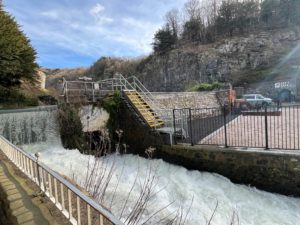
Structure: Community-led renewable energy initiative seeking to revive historic hydropower generation along the River Yeo at Cox’s Mill in Cheddar Gorge.
Anyone who would like notification of opportunities to get involved should email cheddarhydro@gmail.com
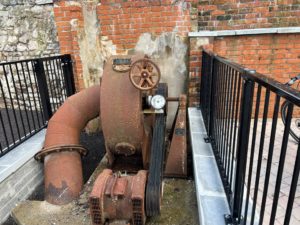
Cheddar Hydro overview
The project seeks to combine renewable energy generation, heritage conservation, community benefit and visitor education while re-establishing a technology that historically played a major role in Cheddar’s economy.
Historical context
Cheddar’s Hydropower heritage
For centuries, the River Yeo powered local industry in Cheddar Gorge.
- Historical Uses: Paper milling, corn milling and industrial processes
- Peak Number of Mills: 13 mills operating along the river
- Historic Site: Cox’s Mill
- First Water Power at Cox’s Mill: 1863
- Last Turbine Installed: 1957
- Capacity of Historic Turbine: 8 kW
The final hydro turbine at Cox’s Mill was installed in 1957 and generated approximately 8 kW before the facility was eventually decommissioned.
Case Study: Cox’s Mill Hydropower Revival Project
Project overview
The Cheddar Hydro proposal aims to bring hydropower generation back to the historic Cox’s Mill site using modern technology while preserving the site’s industrial heritage.
The project has received support through the Government’s Community Energy Fund, administered by the South West Net Zero Hub, to undertake detailed feasibility studies.
Key project details
- Technology Type: Run-of-river Hydropower
- Location: Cox’s Mill, Cheddar Gorge
- Watercourse: River Yeo
- Ownership Model: Community-led
- Development Stage: Feasibility Study
- Funding Support: Community Energy Fund
- Lead Organisation: Cheddar Community Partnership
Renewable Energy Generation
Projected performance
- Estimated Annual Generation: 200,000 kWh/year
- Homes Powered Equivalent: Approximately 74 homes
- Historic Turbine Capacity: 8 kW
- New Generation System: Modern Hydropower Installation
Generation highlights
The proposed new installation is expected to generate approximately 200,000 kWh of renewable electricity annually, sufficient to supply around 74 typical UK homes each year.
Project developers have highlighted that this is equivalent to enough energy to boil water for approximately two million cups of tea annually.
Community Benefits
Reinvestment into local projects
A key objective of the project is to generate income that can be reinvested into community initiatives and environmental projects within Cheddar.
Planned community outcomes
- Funding for local community projects
- Support for additional environmental initiatives
- Increased public awareness of renewable energy
- Enhanced visitor attractions within Cheddar Gorge
- Strengthening local energy resilience
Innovation and Education
Visitor and learning opportunities
An important feature of the Cheddar Hydro proposal is its educational role.
Planned features include:
- Interactive Energy Displays: Explain renewable energy generation
- Live Generation Monitoring: Public education
- Hydropower Heritage Interpretation: Preserve local history
- School and Community Learning Opportunities: Climate and energy education
Project leaders hope the scheme can serve as a regional showcase demonstrating how historic infrastructure can contribute to modern net zero objectives.
Sustainable Transport Integration
Renewable electric vehicle charging
One innovative aspect of the proposal is the intention to install electric vehicle charging infrastructure powered directly by renewable hydroelectric generation.
Benefits
- Supports low-carbon transport
- Demonstrates direct use of locally generated renewable electricity
- Provides additional visitor infrastructure
- Creates a visible example of community energy in action
Heritage Conservation
Preserving Cox’s Mill
The project combines renewable energy development with protection of local heritage.
Key heritage benefits include:
- Retaining and showcasing the site’s historic hydropower legacy
- Preserving the 1957 turbine as an historic exhibit
- Celebrating Cheddar’s industrial and milling history
- Reusing historic infrastructure for modern purposes
Project leaders have stated that the original turbine will remain as an educational and heritage feature alongside the new installation.
Community and Stakeholder Support
Local partnerships
The project has developed through collaboration between:
- Cheddar Community Partnership
- Bristol Water
- Cheddar Caves
- Cheddar Hydro Group volunteers
- Cheddar Parish Council
In October 2024, Cheddar Parish Council formally supported further development of the project following a presentation from the project team.
Environmental Benefits
Carbon reduction
By generating renewable electricity from river flow, the project aims to:
- Reduce reliance on fossil-fuel-generated electricity
- Support local net zero ambitions
- Demonstrate a low-impact renewable technology
- Produce clean energy from an existing historic site
Technology benefits
Run-of-river hydropower:
- Produces electricity continuously when water flows
- Has a long operating life
- Requires relatively small land areas
- Can work alongside heritage conservation objective.
Cheddar Hydro Portfolio Summary
- Project Location: Cox’s Mill, Cheddar Gorge
- Technology: Run-of-river Hydropower
- Development Status: Feasibility Stage
- Estimated Annual Generation: 200,000 kWh
- Homes Equivalent: 74 homes
- Historic Turbine Capacity: 8 kW
- First Water-Powered Operations at Site: 1863
- Community Ownership Model: Community-led
- Additional Features: EV Charging, Education, Heritage Interpretation
Demonstrated potential outcomes
- Revival of hydropower generation in Cheddar Gorge
- Production of approximately 200,000 kWh of renewable electricity annually
- Enough electricity to supply around 74 homes each year
- Generation of revenue for local community projects
- Integration of renewable energy, heritage conservation, education and sustainable transport
- A potentially flagship example of how historic Somerset waterpower assets can contribute to a low-carbon future
Frome Renewable Energy Community (FRECo)
Organisation: Frome Renewable Energy Community (FRECo)
Founded: 2015-16 (first projects operational in 2016)
Structure: Community-owned, not-for-profit renewable energy organisation that enables local people to invest in clean energy through community shares. Surpluses are reinvested into community energy, fuel poverty and climate action projects in Frome.
Frome Renewable Energy Community (FRECo) overview
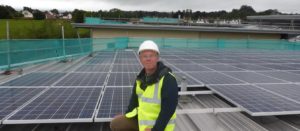
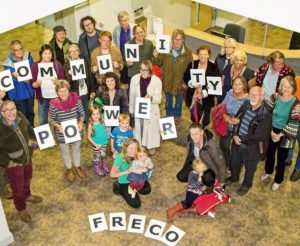
Frome Renewable Energy Community (FRECo) was established to bring community-owned renewable energy to Frome. Developed through Sustainable Frome and in partnership with Bath and West Community Energy, FRECo enables local residents to invest in renewable energy projects that deliver clean electricity, investor returns and community benefits.
FRECo currently operates solar PV installations at:
- Frome Medical Practice
- Frome Town Football Club
The organisation directs any surplus income from these projects into a Community Fund supporting energy efficiency, fuel poverty reduction and local climate action projects.
Case Study 1: Frome Medical Practice Solar PV
Project Overview
The Frome Medical Practice project is FRECo’s largest renewable energy installation. The solar array spans three rooftops at the medical practice and provides renewable electricity to support healthcare services while generating income for community benefit activities.
Key Project Details
- Technology Type: Roof-mounted Solar PV
- Installed Capacity: 150 kW
- Host Site: Frome Medical Practice
- Operational Since: 2016
- Ownership Model: Community-owned
- Funding Model: Community Shares
Renewable Energy Generation
- Installed Capacity: 150 kW
- Lifetime Generation (to April 2024): 1 GWh
- Operational Since: 2016
Since becoming operational in 2016, the installation has generated 1 gigawatt-hour (1,000,000 kWh) of solar electricity by April 2024.
Community Benefits
- Supplies clean renewable electricity to a major healthcare facility
- Generates community-owned renewable energy income
- Supports FRECo’s Community Fund activities
- Demonstrates renewable energy integration within healthcare infrastructure.
Case Study 2: Frome Town Football Club Solar PV
Project Overview
FRECo operates a roof-mounted solar array on the South Stand of Frome Town Football Club. The installation provides renewable power generation while demonstrating how community-owned energy can support local sporting facilities.
Key Project Details
- Technology Type: Roof-mounted Solar PV
- Installed Capacity: 50 kW
- Host Site: Frome Town Football Club
- Location: South Stand Roof
- Operational Since: 2016
- Ownership Model: Community-owned
Renewable Energy Generation
- Installed Capacity: 50 kW
- Operational Since: 2016
The solar array has operated continuously since 2016.
Community Benefits
- Renewable electricity generation from an existing community asset
- Supports community ownership of local energy infrastructure
- Generates revenue for further local climate action projects
Renewable Energy Portfolio Summary
Operational Portfolio
- Frome Medical Practice: 150 kW
- Frome Town Football Club: 50 kW
- Total Installed Capacity: 200 kW
Generation Performance
- Total Installed Capacity: 200 kW
- Largest Installation: Frome Medical Practice (150 kW)
- Lifetime Generation Reported: 1 GWh
- Operational Since: 2016
Community Fund Programme and case studies
Project Overview
A central aim of FRECo is to ensure that financial benefits from renewable energy remain within the community. Surpluses generated from renewable energy projects are reinvested through the FRECo Community Fund.
Community Fund Objectives
- Energy saving measures
- Fuel poverty reduction
- Community climate action
- Youth engagement
- Energy advice services
- Community renewable energy projects
Community Fund Case Studies
Frome Youth Climate Action
FRECo awarded £1,500 to support youth-led climate action initiatives delivered by Edventure through the Green & Healthy Frome project. The programme enables young people aged 12 to 18 to design and lead sustainability projects, events and climate campaigns.
Outcomes
- Youth climate leadership development.
- Community environmental action.
- Sustainability education and engagement.
YMCA Youth and Community Centre Solar Project
FRECo provided £3,000 match funding for the installation of solar panels at the YMCA Youth and Community Centre in Frome.
Outcomes
- Reduced energy bills
- Lower carbon emissions
- Improved sustainability of a key community facility
Emergency Warmth Vouchers
Working in partnership with the Centre for Sustainable Energy (CSE), FRECo funded pre-payment energy vouchers for households experiencing fuel poverty. Between April 2021 and April 2022, 23 households received support and energy advice.
Outcomes
- Direct financial assistance
- Improved wellbeing during winter months
- Energy advice and support referrals
Healthy Homes Support
FRECo supports the Healthy Homes project delivered in partnership with:
- Frome Town Council
- Frome Medical Practice
- Centre for Sustainable Energy
The programme provides practical energy-saving measures including:
- LED bulbs
- Radiator reflectors
- Secondary glazing
- Tailored home energy advice
Outcomes
- Improved thermal comfort
- Reduced household energy use
- Increased access to retrofit support
Energy Advice Volunteer Programme
FRECo funds a part-time Volunteer Coordinator to recruit and support local Energy Advice Champions. This has helped expand the reach of community energy advice and doubled support capacity within the Healthy Homes programme.
Outcomes
- Increased volunteer capacity
- More home energy visits
- Enhanced support for vulnerable residents
Governance and Community Ownership
FRECo operates as a democratic community energy organisation where members invest through community shares and elect a volunteer board of directors. The organisation follows a “one member, one vote” model and reinvests project surpluses into local benefit projects.
The organisation was founded through Sustainable Frome and continues to work closely with local partners including Bath and West Community Energy.
FRECo Portfolio Summary
- Main Technology: Solar PV
- Number of Operating Sites: 2
- Total Installed Capacity: 200 kW
- Largest Installation: 150 kW
- Lifetime Generation Reported: 1 GWh
- Operational Since: 2016
- Community Ownership Model: Community Shares
- Community Fund: Yes
Demonstrated Outcomes
- Community ownership of local renewable energy assets.
- 200 kW of rooftop solar installed across healthcare and sports facilities.
- More than 1 GWh of renewable electricity generated by the Frome Medical Practice installation alone.
- Direct support for fuel poverty, energy efficiency and community resilience projects.
- Investment in youth climate action and community renewable energy initiatives.
- A successful community energy model that keeps environmental, social and economic benefits within Frome.
Mendip Power Group (MPG)
Organisation: Mendip Power Group (MPG)
Founded: Early 2000s
Structure: A collaborative group of historic mill owners who have restored former watermills across the Mendip area of Somerset to generate renewable electricity using micro-hydropower systems. The model was inspired by the South Somerset Hydropower Group.
Mendip Power Group overview
Unlike solar energy projects, Mendip Power Group focuses exclusively on small-scale hydropower, enabling year-round renewable electricity generation from local rivers and streams.
Hydropower Portfolio Summary
Published Hydropower Sites
- Tellisford Mill: 55 kW
- Stowford Mill: 37 kW
- Shawford Mill: 31 kW
- Jackdaws Iron Works: 10 kW
- Farrants Mill: 9.9 kW
- Coleford Mill: 6.6 kW
- Glencot House: 5.8 kW
- Bleadney Mill: 5.4 kW
- Burcott Mill: 5.2 kW
- Old Mill: 5.2 kW
Portfolio Capacity
The published sites provide a combined installed capacity of approximately 171 kW of renewable hydroelectric generation.
Case Study 1: Tellisford Mill Hydropower Scheme
Project Overview
Tellisford Mill is the flagship project of the Mendip Power Group and the first scheme to begin generating electricity. Located on the River Frome, the historic mill was converted into a modern run-of-river hydroelectric installation while retaining its historic character.
The hydro scheme began operation in April 2007 and remains one of Somerset’s best-known community-scale hydropower projects.
Key Project Details
- Technology Type: Run-of-river Hydropower
- Location: Tellisford, Somerset
- Watercourse: River Frome
- Installed Capacity: 55 kW
- Operational Since: 2007
- Ownership Model: Mendip Power Group
- Historic Asset: Former Watermill
Renewable Energy Generation
- Installed Capacity: 55 kW
- Technology: Run-of-river Hydro
- Commissioning Year: 2007
Community Benefits
- Generates renewable electricity from an existing mill site
- Preserves the heritage of a historic Somerset watermill
- Provides year-round low-carbon electricity generation
- Demonstrates how historic assets can contribute to modern net zero goals
Case Study 2: Stowford Mill Hydropower Scheme
Project Overview
Stowford Mill is one of the largest assessed hydro opportunities within the Mendip Power Group portfolio. The project uses the existing watermill infrastructure to generate renewable electricity from local water resources.
Key Project Details
- Technology Type: Micro-hydro
- Location: Stowford Mill
- Installed Capacity: 37 kW
- Ownership Model: Mendip Power Group
Community Benefits
- Preserves historic milling infrastructure
- Generates low-carbon electricity from local waterways
- Contributes to Somerset’s distributed renewable energy capacity
Case Study 3: Shawford Mill Hydropower Scheme
Project Overview
The Shawford Mill project forms part of the wider Mendip Power Group network of hydro installations. The site demonstrates how multiple small-scale schemes can collectively contribute renewable electricity generation.
Key Project Details
- Technology Type: Micro-hydro
- Capacity: 31 kW
- Historic Asset: Former Watermill
Case Study 4: Network of Small Hydropower Installations
- Jackdaws Iron Works: 10 kW
- Farrants Mill: 9.9 kW
- Coleford Mill: 6.6 kW
- Glencot House: 5.8 kW
- Bleadney Mill: 5.4 kW
- Burcott Mill: 5.2 kW
- Old Mill: 5.2 kW
Benefits of the Network Approach
- Makes use of existing water infrastructure
- Reduces environmental impact compared with large hydro developments
- Provides resilient, distributed renewable generation across Somerset
- Supports conservation of historic mill buildings and waterways
Environmental Benefits
Why Hydropower?
Run-of-river hydropower differs from large dam-based hydroelectric schemes because it generates electricity from the natural river flow without requiring major water storage. This significantly reduces environmental impacts while providing continuous renewable generation.
Environmental Outcomes
- Low-carbon renewable electricity generation
- Productive reuse of historic infrastructure
- Preservation of heritage assets
- Local generation supporting energy resilience
Heritage and Community Value
A distinctive aspect of Mendip Power Group is the integration of renewable energy generation with heritage conservation. Rather than building entirely new infrastructure, the projects bring historic watermills back into productive use.
Community Outcomes
- Protection of Somerset’s industrial heritage
- Increased awareness of renewable energy technologies
- Demonstration of community-scale hydropower opportunities
- Support for local decarbonisation efforts
MPG Portfolio Summary
- Main Technology: Run-of-river Hydropower
- Number of Published Sites: 10
- Combined Installed Capacity: Approximately 171 kW
- Largest Site: Tellisford Mill (55 kW)
- Second Largest Site: Stowford Mill (37 kW)
- Operational Since: 2007 (Tellisford)
- Historic Assets Reused: Former Watermills
Demonstrated Outcomes
- Created one of Somerset’s most significant clusters of community-scale hydropower installations.
- Developed approximately 171 kW of micro-hydropower capacity across historic mills.
- Successfully restored and reused heritage watermill infrastructure for renewable energy generation.
- Established Tellisford Mill as one of the South West’s pioneering hydroelectric restoration projects.
- Demonstrated how local rivers and historic assets can contribute to Somerset’s transition to net zero while preserving cultural heritage.
South Somerset Community Energy Society (SSCES)
Organisation: South Somerset Community Energy Society Ltd (SSCES)
Founded: 2015, operational since 2016
Structure: Community Benefit Society registered under the Co-operative and Community Benefit Societies Act 2014. SSCES develops and manages community-owned solar PV installations, with surpluses reinvested into fuel poverty and community energy projects across South Somerset.
South Somerset Community Energy Society (SSCES) overview
Since 2016, SSCES has installed solar PV systems at a range of sites including:
- Westfield Academy, Yeovil
- Abbey Community Association Hall, Yeovil
- Holyrood Academy, Chard
- Stanchester Academy, Stoke-sub-Hamdon
- River Cale Café, Wincanton (2024)
Renewable Energy Portfolio Summary
Portfolio overview
- Operational Since: 2016
- Main Technology: Rooftop Solar PV
- Electricity Generated (2016-2023): Over 2,000 MWh
- Community Ownership Model: Community Benefit Society
- Initial Share Offer Raised: Approximately £285,000
Portfolio highlights
SSCES reports that its projects generated more than 2,000 MWh of renewable electricity between 2016 and 2023, delivering carbon savings and reduced electricity costs to host organisations across South Somerset.
Case Study 1: Westfield Academy Solar PV
Project overview
Westfield Academy was SSCES’s flagship project and one of its first community solar installations. The project was designed to install approximately 200 kW of solar PV across buildings at the school, with almost all generated electricity expected to be consumed on-site.
Key project details
- Technology Type: Rooftop Solar PV
- Host Site: Westfield Academy, Yeovil
- Estimated Capacity: Approximately 200 kW
- Ownership Model: Community-owned
- Funding Model: Community Share Offer
- Power Purchase Agreement: Yes
Renewable energy generation
- Installed Capacity: Approx. 200 kW
- Annual Generation: Over 160 MWh in 4 out of 7 full operational years
Financial benefits
The scheme was designed to:
- Generate Feed-in Tariff income of approximately £18,700 per year
- Deliver energy bill savings of more than £10,000 in the first year for the school
- Supply electricity to the school at less than half its normal electricity tariff
Community benefits
- Reduced school energy costs
- Long-term renewable energy generation
- Income generation for local fuel poverty and community projects
Case Study 2: Abbey Community Association Hall
Project overview
The Abbey Community Association Hall in Yeovil was one of SSCES’s original pilot projects. The installation demonstrates how community buildings can reduce operating costs through community-owned solar generation without requiring upfront capital investment.
Key project details
- Technology Type: Rooftop Solar PV
- Host Site: Abbey Community Association Hall, Yeovil
- Ownership Model: Community-owned
- Roof Lease Agreement: Yes
- Power Purchase Agreement: Yes
Community benefits
- Reduced electricity costs for a community facility
- No upfront installation costs for the host organisation
- Income retained within the local community through SSCES
Case Study 3: Holyrood Academy, Chard
Project overview
Holyrood Academy formed part of SSCES’s second tranche of projects and extended community solar generation into the Chard area. The project supports both carbon reduction and educational engagement with renewable energy.
Key project details
- Technology Type: Rooftop Solar PV
- Host Site: Holyrood Academy, Chard
- Ownership Model: Community-owned
- Status: Operational
Community benefits
- Reduced carbon emissions
- Lower electricity costs for the school
- Support for local community energy development
Case Study 4: Stanchester Academy Solar PV
Project overview
Stanchester Academy represents another key SSCES educational project. The installation provides renewable electricity to the academy while supporting SSCES’s wider mission of reducing carbon emissions and fuel bills across South Somerset.
Key project details
- Technology Type: Rooftop Solar PV
- Host Site: Stanchester Academy, Stoke-sub-Hamdon
- Ownership Model: Community-owned
- Status: Operational
Community benefits
- Reduced energy expenditure for the school
- Carbon savings through renewable generation
- Demonstration of community-led energy investment in education
Generation data
SSCES notes that the Stanchester array has generated enough electricity to have “boiled a kettle half a million times” since installation, illustrating the significant cumulative output of the system.
Case Study 5: River Cale Café, Wincanton
Project overview
Installed during 2024, the River Cale Café project is SSCES’s newest renewable energy installation. The project demonstrates the Society’s continued expansion beyond schools into community-based facilities.
Key project details
- Technology Type: Rooftop Solar PV
- Host Site: River Cale Café, Wincanton
- Installation Year: 2024
- Ownership Model: Community-owned
Community benefits
- Reduced electricity costs for a community business
- Additional renewable energy generation capacity within South Somerset
- Continued growth of the SSCES portfolio
Community Benefit Model
How SSCES creates community value
SSCES operates using a model that:
- Raises capital through community shares and loans
- Installs solar PV free of charge on host buildings
- Sells renewable electricity to hosts at discounted rates
- Receives income from electricity sales and Feed-in Tariffs
- Reinvests any surplus into community energy and fuel poverty initiatives
Community outcomes
- Reduced fuel bills for host organisations
- Local ownership of clean energy infrastructure
- Community investment opportunities for South Somerset residents
- Long-term support for fuel poverty and climate action projects
SSCES Portfolio Summary
- Operating Since: 2016
- Main Technology: Rooftop Solar PV
- Electricity Generated (2016-2023): Over 2,000 MWh
- Largest Published Installation: Westfield Academy (~200 kW)
- Share Capital Raised (Initial Offer): Approximately £285,000
- Community Ownership Structure: Community Benefit Society
- Surplus Reinvestment: Community Energy and Fuel Poverty Projects
Demonstrated outcomes
- More than 2,000 MWh of renewable electricity generated from 2016 to 2023
- Community-owned solar installations across schools and community facilities
- Significant energy cost savings for schools and community organisations
- A successful community share model raising approximately £285,000 for local renewable energy projects
- Ongoing reinvestment of surpluses into fuel poverty and community energy initiatives throughout South Somerset
- A strong example of community-owned rooftop solar delivering environmental, financial and social benefits across rural Somerset
South Somerset Hydropower Group (SSHG)
Organisation: South Somerset Hydropower Group (SSHG)
Founded: 2001
Structure: A collaborative network of owners of historic watermills across South Somerset who developed micro-hydropower schemes to generate renewable electricity from existing waterways and mill infrastructure. South Somerset Hydropower Group (SSHG) was established through an initiative led by South Somerset District Council and is recognised as the first project of its kind in the UK.
South Somerset Hydropower Group (SSHG) overview
The project became a national model for community-scale hydropower and inspired similar initiatives elsewhere in the UK, including the Mendip Power Group. SSHG received a prestigious Ashden Award in 2005 for its innovative approach to renewable energy and heritage conservation.
Hydropower Portfolio Summary
Programme overview
- Established: 2001
- Number of Mill Owners Involved: 10
- First UK Hydropower Mill Group: Yes
- Expected Portfolio Generation: 600 MWh/year
- Homes Equivalent: Approximately 150 homes
- Annual CO₂ Savings: 260 tonnes
Published sites
- Gants Mill: Pitcombe
- Clapton Mill: Clapton
- Cole Manor: Bruton
- Cary’s Mill: Martock
- Cutterne Mill: Evercreech
Case Study 1: Gants Mill Hydropower Scheme
Project overview
Gants Mill, near Pitcombe, was the first operational project developed through SSHG and became a flagship example of how historic milling infrastructure could be adapted to generate renewable energy. The project demonstrated the technical and financial viability of small-scale hydropower in Somerset.
The scheme began generating electricity in 2003 and remains one of the best-known hydro restoration projects in the South West.
Key project details
- Technology Type: Micro-hydropower
- Location: Pitcombe, Somerset
- Host Site: Gants Mill
- Commissioned: 2003
- Turbine Type: Cross-flow turbine
- Turbine Diameter: 300 mm
- Installed Capacity: Up to 12 kW
Renewable energy generation
- Installed Capacity: 12 kW
- Technology: Cross-flow Hydro Turbine
- Operational Since: 2003
Sources:[en.wikipedia.org] and [en-academic.com]
Community benefits
- Restoration of a historic working watermill
- Long-term renewable electricity generation
- Demonstration project for future UK hydropower developments
- Catalyst for wider micro-hydro development across Somerset
Case Study 2: Clapton Mill Hydropower Scheme
Project overview
Clapton Mill formed part of SSHG’s wider programme to retrofit historic mill infrastructure for modern renewable energy generation. The project showcased how existing water resources could be utilised without major environmental disruption.
Key project details
- Technology Type: Micro-hydropower
- Location: Clapton, Somerset
- Historic Asset: Former Watermill
- Project Type: SSHG Portfolio Installation
Community benefits
- Preservation of local heritage assets
- Renewable electricity generation from local waterways
- Contribution to regional carbon reduction goals
Case Study 3: Cole Manor Hydropower Scheme
Project overview
Located near Bruton, Cole Manor forms part of SSHG’s network of micro-hydro installations. The scheme demonstrates how smaller rural sites can collectively contribute significant renewable energy generation when developed as part of a coordinated programme.
Key project details
- Technology Type: Micro-hydropower
- Location: Bruton
- Project Type: Historic Watermill Conversion
Case Study 4: Cary’s Mill Hydropower Scheme
Project overview
Cary’s Mill in Martock is one of several historic mills that participated in the South Somerset Hydropower initiative. The project contributes renewable electricity generation while helping preserve South Somerset’s industrial and agricultural heritage.
Community benefits
- Productive reuse of historic infrastructure
- Renewable energy generation from local rivers
- Demonstration of community-led energy innovation
Case Study 5: Cutterne Mill Hydropower Scheme
Project overview
Located in Evercreech, Cutterne Mill forms part of the SSHG hydropower portfolio. As with the wider programme, the objective was to utilise existing mill infrastructure and watercourses to generate clean electricity with minimal environmental impact.
Key project details
- Technology Type: Micro-hydropower
- Location: Evercreech
- Project Type: Historic Watermill Hydro Conversion
Renewable Energy Generation
Portfolio generation
When fully developed, SSHG estimated that its portfolio would achieve:
- Annual Generation: Approximately 600 MWh
- Homes Powered Equivalent: Approximately 150 homes
- Annual CO₂ Savings: Approximately 260 tonnes
Significance
The portfolio demonstrated that small hydro installations, when deployed across multiple sites, can deliver meaningful renewable energy generation while preserving historic infrastructure.
Heritage and Environmental Benefits
Historic mill conservation
A defining feature of SSHG is the integration of renewable energy generation with heritage conservation.
Benefits included:
- Restoration of historic watermills
- Retention of traditional weirs and watercourses
- Continued use of historic industrial assets
- Increased public awareness of renewable energy technologies
Environmental outcomes
- Renewable electricity generation from natural river flows
- Avoidance of approximately 260 tonnes of CO₂ emissions annually
- No requirement for major new dams or reservoirs
- Productive use of existing infrastructure and landscapes
National Impact
Key achievements
- First hydropower mill owners’ group established in the UK
- Winner of the 2005 Ashden Award
- Inspired development of similar schemes, including Mendip Power Group
- Demonstrated the viability of micro-hydropower in historic watermills
The group also estimated that around 40,000 mill sites across the UK could potentially be suitable for micro-hydropower development.
South Somerset Hydropower Group Portfolio Summary
- Established: 2001
- Mill Owners Involved: 10
- First Operational Scheme: Gants Mill (2003)
- Flagship Capacity: 12 kW
- Annual Portfolio Generation: 600 MWh
- Homes Equivalent: 150
- Annual Carbon Savings: 260 tonnes CO₂
- National Award: Ashden Award 2005
Demonstrated outcomes
- One of the UK’s pioneering community hydropower programmes
- Generation of approximately 600 MWh of renewable electricity annually across participating sites
- Sufficient clean electricity to supply approximately 150 homes
- Avoidance of around 260 tonnes of carbon emissions every year
- Preservation and productive reuse of historic South Somerset watermills
- Established a model that influenced community hydropower development across the UK, including later projects in Somerset
Wedmore Community Power Co-operative (WCPC)
Organisation: Wedmore Community Power Co-operative Ltd (WCPC)
Founded: 2013
Structure: Community-owned Industrial and Provident Society established to develop renewable energy generation for the Isle of Wedmore and return benefits to the local community.
Wedmore Community Power Co-operative overview
The project was designed to reduce reliance on fossil fuel-derived electricity from the National Grid while creating long-term community benefits through shareholder returns and a local grant programme.
Case Study: Wedmore Solar Farm
Project overview
The Wedmore Solar Farm is a community-owned renewable energy project consisting of almost 4,000 solar panels installed across two paddocks north of Wedmore. The solar farm generates clean electricity for the local grid and provides funding for local community initiatives through the Co-operative’s Community Grants Programme.
Key project details
- Technology Type: Solar PV Solar Farm
- Installed Capacity: 1 MW (1 MWp)
- Location: North of Wedmore, Somerset
- Installation Date: October 2013
- Ownership Model: Community-owned Co-operative
- Funding Model: Community Share Offer
- Solar Panels: Approximately 4,000
- Grid Connection: Local electricity distribution network
Renewable energy generation
Generation performance
- Annual Generation (2024): Over 961,000 kWh
- Typical Generation Capacity: Up to 1,000,000 kWh per year
- Homes Equivalent: Approximately 300 homes
- Annual Carbon Saving: Approximately 450 tonnes CO₂
- Operational Since: October 2013
Generation highlights
- In 2024, the solar farm generated more than 961,000 kWh of electricity despite variable weather conditions
- Generation in 2023 exceeded 1,012,000 kWh
- The project was originally designed to generate around 1 million kWh annually, equivalent to installing solar panels on approximately 300 homes
- Annual carbon savings are estimated at approximately 450 tonnes of CO₂
Financial Performance and Community Ownership
Community investment model
The project was funded through a community share offer that enabled local residents to become co-owners of the solar farm. The share offer closed in November 2013 after successfully raising investment from local shareholders.
Recent financial performance
- Total Income: £206,000
- Feed-in Tariff Income: £106,000
- Annual Surplus: £70,000
- Net Assets: £1.05 million
The Co-operative continues to provide interest payments to members while retaining sufficient income to invest in community initiatives and maintain the solar installation.
Community benefits
Community grant programme
One of WCPC’s principal objectives is to reinvest project profits into the local community through its Community Grants Fund. Grants support projects that:
- Address social need
- Deliver long-term community benefit
- Increase sustainability
- Reduce reliance on fossil fuels
- Promote community partnership working
Grant programme details
- Typical Grant Range: £100 to £5,000
- Funding Rounds: Two per year
- Eligible Applicants: Charities, voluntary groups, community organisations
- Geographic Focus: Isle of Wedmore
Community impact examples
In 2024, WCPC supported numerous local organisations through its grants programme including:
- Wedmore First School groups
- Wedmore in Bloom
- Wedmore Tuesday Club
- Avalon Camps
- Wedmore Tennis Club
- St Mary’s Church
- Theale Village Show
- Wedmore Young Farmers 90th Show
The Co-operative also funded an off-grid renewable power system at Wedmore Village Farm. Total community support payments during the year amounted to £62,000.
Environmental benefits
Carbon reduction
The solar farm helps reduce reliance on fossil fuel generation by producing locally generated renewable electricity. The scheme:
- Produces around 1 GWh of renewable electricity annually
- Saves approximately 450 tonnes of CO₂ emissions each year
- Supplies enough renewable electricity to meet the annual needs of around 300 homes
- Supports Somerset’s wider net zero ambitions through community-led renewable energy generation
Challenges and future opportunities
Future planning
WCPC has begun planning for the future operation of the solar farm beyond 2033, when the original Feed-in Tariff support mechanism is due to end. Directors are considering options to ensure the project continues delivering environmental and community benefits after subsidy support ceases.
Opportunities
- Continued operation beyond Feed-in Tariff expiry
- Further community sustainability projects
- Additional community energy initiatives
- Expansion of local renewable energy and energy efficiency support programmes
Wedmore Community Power Co-operative Portfolio Summary
- Technology: Solar PV
- Installed Capacity: 1 MW
- Solar Panels: Approximately 4,000
- Annual Generation: Approximately 1,000,000 kWh
- Homes Equivalent: 300 homes
- Annual Carbon Savings: 450 tonnes CO₂
- Operational Since: October 2013
- Community Funding Model: Community Shares
- Community Grant Programme: Yes
Demonstrated outcomes
- Community ownership of a large-scale renewable energy asset
- Generation of around 1 GWh of clean electricity per year
- Carbon savings of approximately 450 tonnes CO₂ annually
- Funding returned directly to local projects through an established community grants programme
- More than £62,000 distributed to community initiatives in 2024 alone
- A successful example of community-led renewable energy delivering both environmental and social value across Somerset