The government set out its proposals for SEND reform today (23 Feb 2026) and a 12-week consultation now begins.
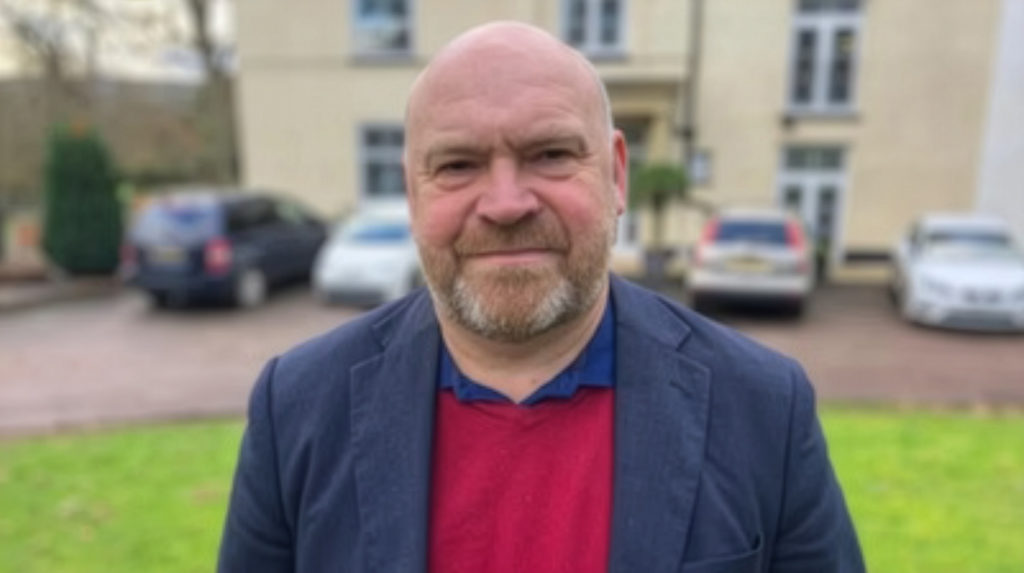
Leader of Somerset Council, Cllr Bill Revans, said the direction of travel was ‘encouraging’ but warned proposals must remain radical as they move through Parliament.
He stressed doing nothing was not an option. That £30bn extra had been spent on SEND nationally during the past 10 years, and yet educational outcomes for SEND pupils had not improved.
Cllr Revans said:
More and more families in Somerset feel let down by the system. I know because I’ve spoken with them during recent protests and campaigns. I’ve heard their frustration and concerns at government inaction, and I’ve listened to their heart breaking experiences.
The direction of travel set out today is encouraging. However it’s vital that the next 12 weeks are not a talking shop. We cannot keep ploughing on with the same system that patently isn’t working. We must now analyse the detail and grasp this opportunity for root-and-branch reform.
Whilst clarity on elements of the proposals is needed, highlights include:
Supporting more pupils in mainstream schools
This type of system will be good for young people, allowing them to be taught closer to home in their local school. Somerset Council is already implementing innovative solutions to increase the number of High Needs places within mainstream schools. It plans to create more than 250 new school places in SEN units over the next 3 years. The programme is rolling out at pace.
Rebalancing the EHCP system
The EHCP system is extremely expensive to maintain. Councils have long argued that EHCPs should be for those most in need, with the system rebalanced towards inclusive mainstream education that meets the needs of the rest.
Somerset Council spends in the region of £8m a year to produce and maintain plans. Somerset Council now has over 1,000 EHCPs awaiting completion. Demand has increased by 47% in 5 years.
Retaining and rebalancing the tribunal system
Currently tribunals can rule without any consideration for the cost strains on a Council’s limited budget – a root cause of the present financial crisis the system has generated for councils.
A rebalancing would prove equitable to all parties – addressing where faults have been made, but in line with the rights afforded to all children in the existing admissions process will make for a fairer system.
Tackling the rising cost of private placements
When market-meets-need, there will be cost pressures. The cost of Independent Special School Provision continues to rise. Somerset Council budgeted £35m, and expenditure is forecast to be £42m. The government has noted that many residential providers where children are having to live are private equity backed.
When Somerset Council looked at some of those providers in our region, staff observed profit margins of up to 47%. Some private companies are now charging £1,500 per Educational Psychology assessment.
A stronger focus on prevention and early intervention
Additional support is to be provided from a young age, including in the early years even before children reach school.
Ongoing challenges around SEND transport costs
This is especially tough on rural councils such as Somerset. The paper does not cover this directly; however it will need addressing. SEND transport at Somerset Council is projecting to spend £15m this year, even though it is a leading authority for creatively managing down costs.
The continued role of councils in a reformed SEND system
Schools will now be largely responsible for funding per-pupil packages and for standards. However local councils will continue to oversee support and curate a local offer, and will also commission services and specialist staff such as educational psychology, occupational therapy, speech and language therapy and more.
Cllr Revans concluded:
The timescales set out in today’s proposal’s seem reasonable and immediate investment into mainstream schools to boost inclusion is important, but it remains to be seen whether the level of investment announced today is sufficient, and government must ensure a fair distribution of resources considering the education in county areas has been underfunded for many years.
The big prize on offer here is the chance to improve educational outcomes and experiences for young people with SEND. Doing nothing is not an option and could damage young peoples’ futures so this is why it is vital that the government ensures that these reforms are introduced as outlined today: altering the system to a more needs-led, preventative model of inclusive mainstream schools.
In a previous recent announcement, the Government said it would be taking over SEND costs in 2028. For the next 2 years, councils will remain under significant financial pressure and unprecedented demand for services. Local leaders are calling for extra resource to bridge this period.