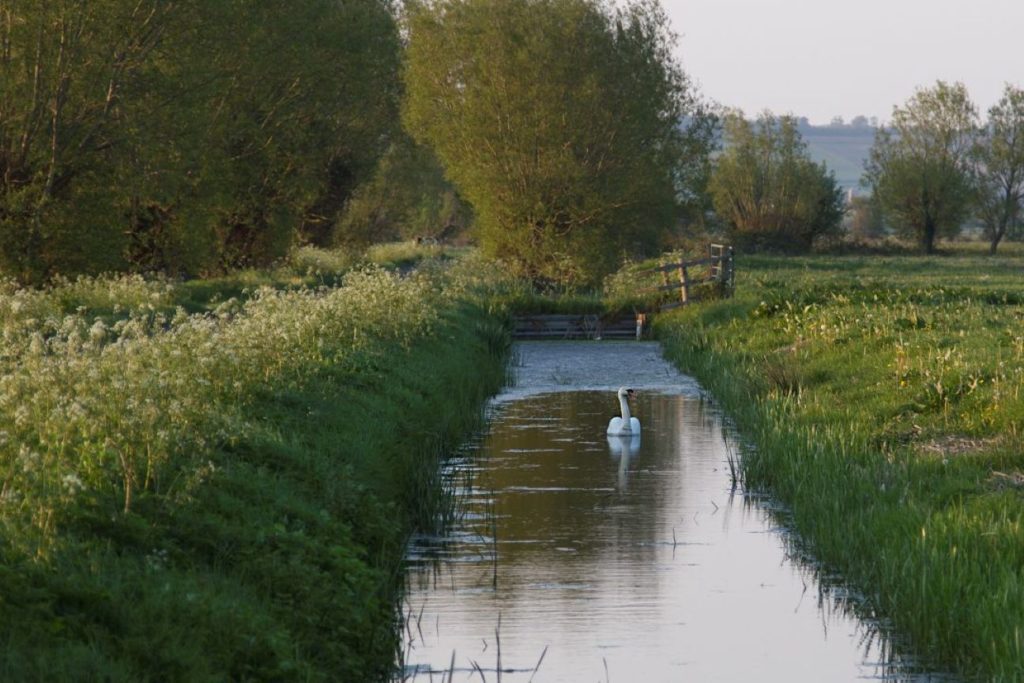
What does it mean for land identified in the Local Nature Recovery Strategy?
Local Nature Recovery Strategies will identify areas already designated for nature conservation, such as nature reserves and irreplaceable habitats. These are known as areas of particular importance for biodiversity. The strategies will also identify areas where funding and action should focus to deliver agreed priorities for nature. These are known as areas that could become of particular importance. All areas will appear on the Local Nature Recovery Strategies map, known as the local habitat map.
Areas of particular importance for biodiversity will show where nature can expand, recover or connect, and where this brings wider environmental benefits. The strategies will identify areas that could become of particular importance using evidence and stakeholder feedback.
These areas will help target action where it can have the greatest impact and inform land management decisions. The Local Nature Recovery Strategy does not give land protection or prevent other land uses. It does not allow habitat creation or land use change without expert advice, statutory consultation or the correct permissions.
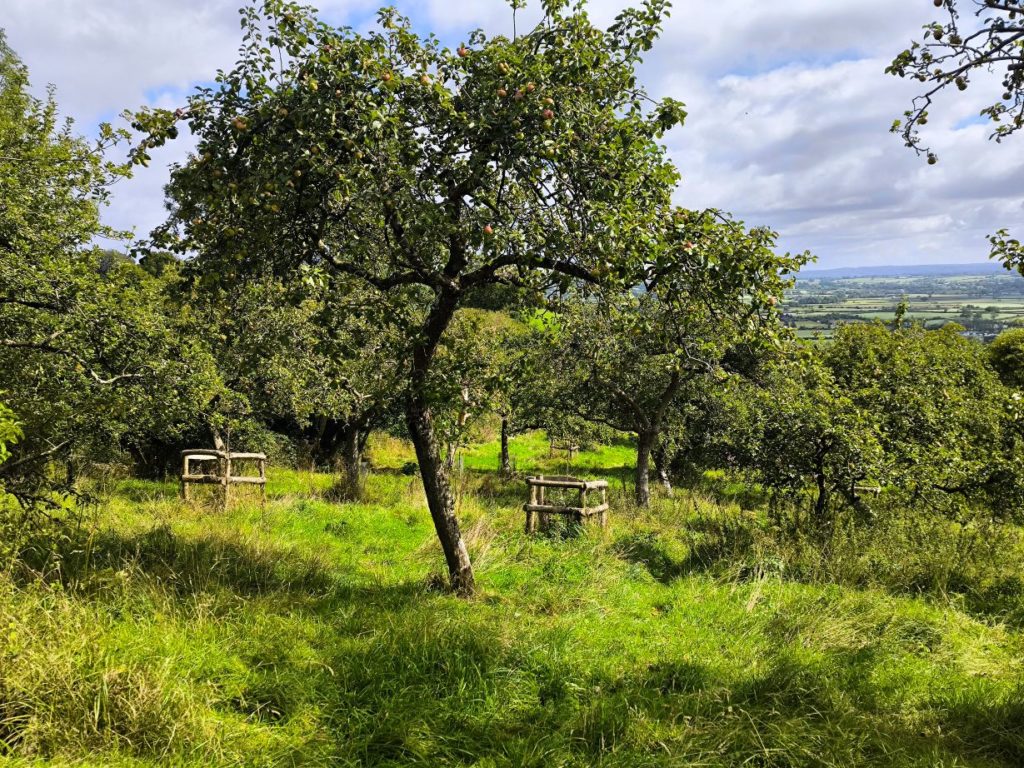
How does the Local Nature Recovery Strategy fit with existing Agri-schemes and incentives?
Biodiversity Net Gain
Local Nature Recovery Strategy maps will highlight areas in communities where nature recovery will have the greatest impact. They will also suggest the most suitable actions to deliver recovery. The maps set the Local Nature Recovery Strategy strategic significance multiplier within the biodiversity metric.
This approach encourages developers to deliver off‑site Biodiversity Net Gain in areas identified by the Local Nature Recovery Strategy. The maps can also help identify the most appropriate habitats to create in those locations.
If you want to use your land to sell biodiversity units, the maps can help you decide which habitats are most suitable.
Agri-environment schemes or Countryside Stewardship
Government advice suggests that landowner and land manager involvement in the Local Nature Recovery Strategy could lead to opportunities to enter formal agreements. There is a clear link with the Landscape Recovery scheme.
We expect the Department for Environment, Food and Rural Affairs to develop these links further. We will share updates as more information becomes available.
Investment in natural capital
The Local Nature Recovery Strategy can help identify local ambitions for nature‑based solutions. These solutions can address issues such as water quality, flooding, carbon storage and access to nature.
The strategy will do this by identifying priority areas for trees, wetlands and other key habitats. These habitats can deliver wide environmental benefits and may attract public or private investment.
I am already involved in a nature recovery initiative or scheme. Does the Local Nature Recovery Strategy replace those?
No. Many effective nature recovery initiatives already operate across Somerset. These include farmer clusters, Landscape Recovery schemes and the Farming in Protected Landscapes scheme (FiPL) scheme. We do not want to delay, restrict or undermine this work.
The Local Nature Recovery Strategy may reflect activity already taking place or under consideration through other initiatives. It may also explore ways to expand these approaches or connect them with others.
Not all local initiatives will feature in the Somerset strategy. This will depend on the priorities agreed through the strategy development process.
How does Local Nature Recovery Strategy fit with Environment Land Management Schemes?
Local Nature Recovery Strategies and Environmental Land Management schemes share a common aim. They seek to improve the natural environment and build resilient landscapes for nature and people.
There is currently no direct link to Environmental Land Management schemes. However, Local Nature Recovery Strategies will help guide future effort and funding to areas where action will deliver the greatest benefit for nature. Once in place, we expect the strategies to inform funding opportunities from a range of public and private sources.
Taking part in your Local Nature Recovery Strategy gives you a chance to influence this work. It supports collaboration with local stakeholders and decision makers across sectors and districts. By agreeing priority areas for action, the strategy will become a useful resource for land managers. It can guide funding applications, including area‑based projects such as Landscape Recovery.
As Local Nature Recovery Strategies are introduced across England, government will explore how to align funding initiatives with them. This includes how projects can support strategy delivery. Where possible, we will align the language in the Somerset strategy with Environmental Land Management schemes to make funding links clear.
What will the Local Nature Recovery Strategy not do?
The Local Nature Recovery Strategy does not aim to take agricultural land out of food production. It focuses on identifying where food production and nature can work together.
The strategy will not tell farmers how to manage their land. It will act as a guide, not a set of instructions.
In some cases, the strategy may highlight landscape‑scale opportunities for nature recovery. Landowners will not have to act on these suggestions. They may choose to explore funding options with neighbouring landowners.
The strategy will not replace farm visits, site surveys or project planning. It is a strategic tool that supports, rather than substitutes, these activities.
How binding on landowners and managers will the Local Nature Recovery Strategy be?
The Local Nature Recovery Strategy aims to involve as many local stakeholders as possible. Together, they will agree priorities for nature’s recovery across the county. The process will also identify practical actions and where these will deliver the greatest benefit.
Actions must be realistic and achievable. We are asking Somerset landowners and land managers to share the opportunities they see on their land. We will work with them to understand how these opportunities could be delivered and supported through action and funding.
Actions included in the strategy will not be mandatory. They will help guide funding and effort towards agreed priorities. Landowners can choose not to appear on the final maps, both during development and at the public consultation stage.
Local Nature Recovery Strategies will be reviewed about every 5 years. This will allow priorities and actions to be updated as circumstances change. The first strategy marks the start of an ongoing process of collaboration with landowners.
How does Local Nature Recovery Strategy work for tenants?
It is for tenants and landlords to decide whether to take forward any suggestions from the Local Nature Recovery Strategy or opportunity maps.
Tenant farmers, like landowners, already do a great deal for nature in Somerset. Those who manage the land understand best where habitats can be improved, maintained or created, and how to support key species.
Taking action for nature can be more challenging for tenants because of tenancy agreements. Government recognises this. Recent changes to the Sustainable Farming Incentive allow tenants to apply without landlord consent and to enter shorter, 3‑year agreements that can end without penalty.
We want tenants in Somerset to be part of the Local Nature Recovery Strategy process and help shape how they can contribute. This is the first strategy, and we will learn from tenant experiences. Future versions may offer more opportunities for tenant involvement.
I want to help nature but would like to do something other than described on the mapping. Is that fine?
Of course. The strategy and maps suggest how nature recovery could work best in an area, based on evidence. They guide landowner choice and do not set requirements.
You can take a different approach if you prefer. It is important to consider whether your plans support nature recovery. For example, woodland planting may not be suitable where heathland would deliver greater benefits. If you are unsure, speak to your farm adviser for guidance.
You do not have to limit action to mapped areas. Any nature‑friendly action on your land will benefit wildlife.
I have heard about creating a cluster of farms to join together and help nature on a larger scale. What are the benefits of this?
Farm clusters support larger‑scale projects that benefit both farmers and nature. They can improve farm incomes while delivering meaningful nature recovery.
Farm clusters also bring farmers together socially. This can strengthen peer support and improve mental wellbeing across the farming community.